On your phone? Buy in your browser, not the Amazon app. The Amazon app can’t sell Kindle books — it only offers a free sample, with no purchase button. Tap “Get it on Amazon Kindle” above, buy on the Amazon page that opens in your browser, and the Playbook is delivered straight to your Kindle app to read.
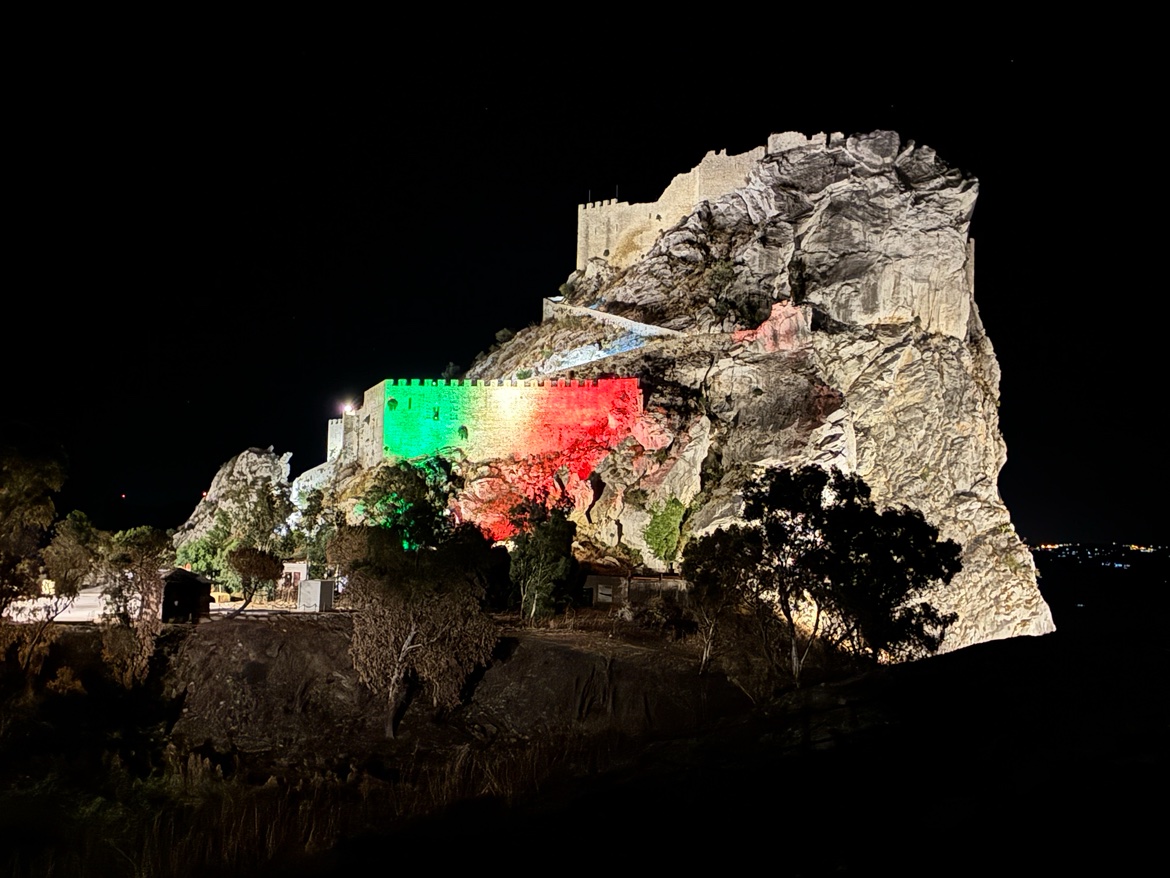
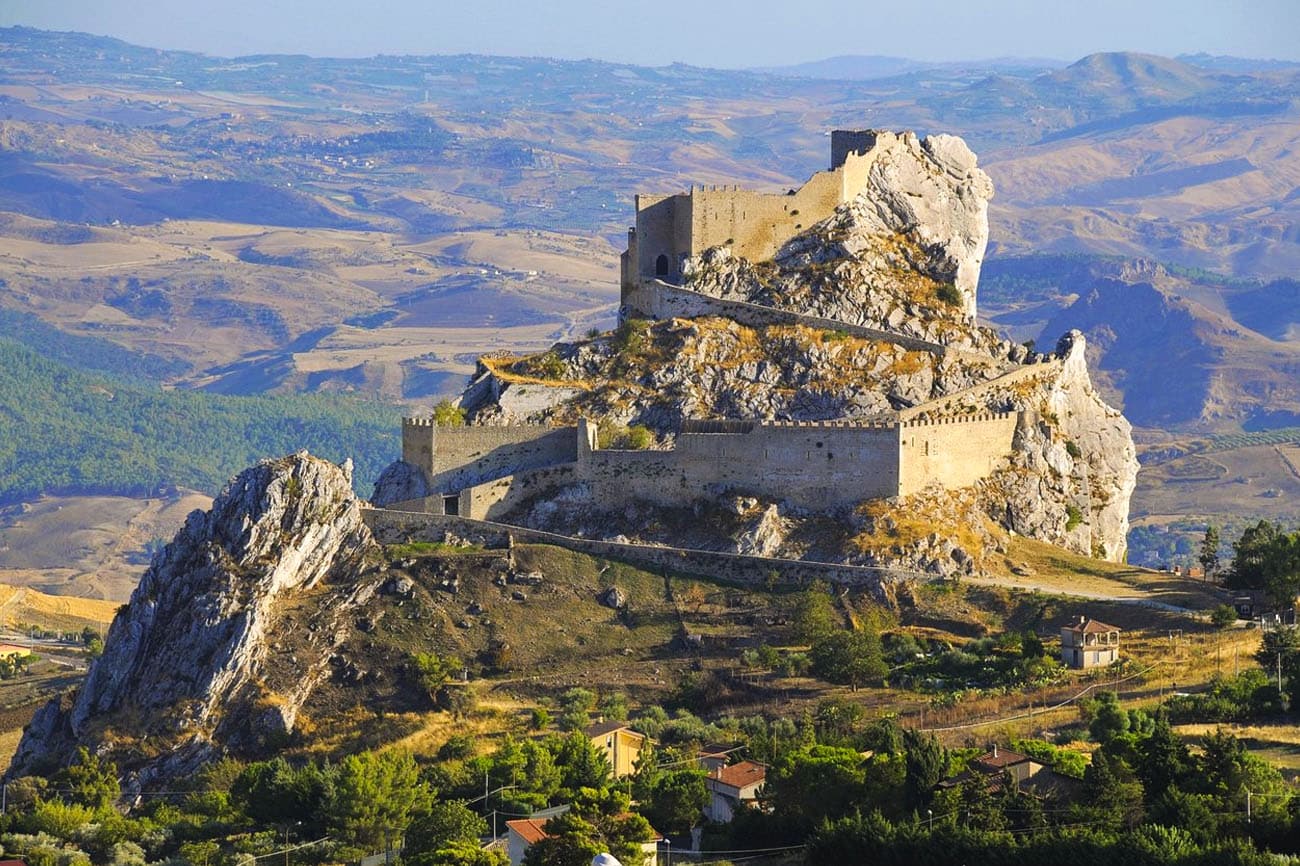
The Castello Manfredonico above Mussomeli, lit in the Italian tricolour at night.
The Story
A house in Sicily, bought from Surrey
In September 2026, Brent and Sherry Lang of Surrey, BC bought a house in Mussomeli, Sicily — a hill town of fewer than 10,000 people — for €22,000. Sight unseen, after two video tours.
That last detail matters more than the price. Canadians can only buy in Italian towns of under 10,000 people, and Mussomeli qualified. The town chose them as much as they chose it — which is how the first Letter tells it.
The renovation is underway now, and finishes in spring 2027. Everything on this page is the working record of the adventure: the letters that tell it, the guide that prices it, and the trackers that watch what it costs to get there and to live there.
The Letters
Letters from Mussomeli
A fortnightly series on Substack — the house, the town, and what a second life in Sicily actually costs, in dollars and in percentages. Free to read, free to subscribe.
Why one euro? One euro is famous here — it's the entry point to home ownership abroad, under the municipality's rehabilitation scheme. But here's the rest of it: if someone has one euro, they most likely have two — the price was never the point. What this guide saves you is time and costly mistakes, and every euro it saves belongs back in this town: spent in its shops and workshops, and in bringing the house you came for back to life — because a town flourishes house by house. I didn't want anyone to miss the joys of Mussomeli because a guide cost fifty or a hundred euros. So it costs one. A gift, if that's not too grand a word for a euro, to the future of a town I already feel part of, and intend to stay in for good. Flourishing starts from within; this is my small way of contributing from inside it.
No “Buy” button in the Amazon app? That’s Amazon, not the book: the phone app is barred from selling Kindle editions, so it shows only “Download Sample.” Open the link above in your browser instead, complete the purchase there, and the Playbook appears in your Kindle app automatically.
Sicily Flight Price Tracker
Checks Vancouver–Catania and Vancouver–Palermo return fares every morning, and flags when to buy. Today’s fares, November 16, 2026:
Every price on this page lives in two currencies — the house in euros, the flights and the Surrey trolley in Canadian dollars. Type in either field and the other keeps up, at today’s rate.
Mid-market rate for guidance only — your bank or transfer service will quote a little less.
Free to Read
Court Watch Sicily
Italy’s court-ordered auctions, read in English
Court Watch Sicily reads Italy’s court-ordered property auctions in English: the current Mussomeli-area lots from the official sales portal, with base prices, sale dates, and how the process actually works — free.
There is more than one legal way to live in Mussomeli. The right path depends on three things: how you support yourself, whether you have a pension from outside Italy, and whether you hold a European Union passport. This page sets the paths side by side - who each one is for, the order the steps run in, and the real thresholds - so you can see which one might fit before you talk to an expert.
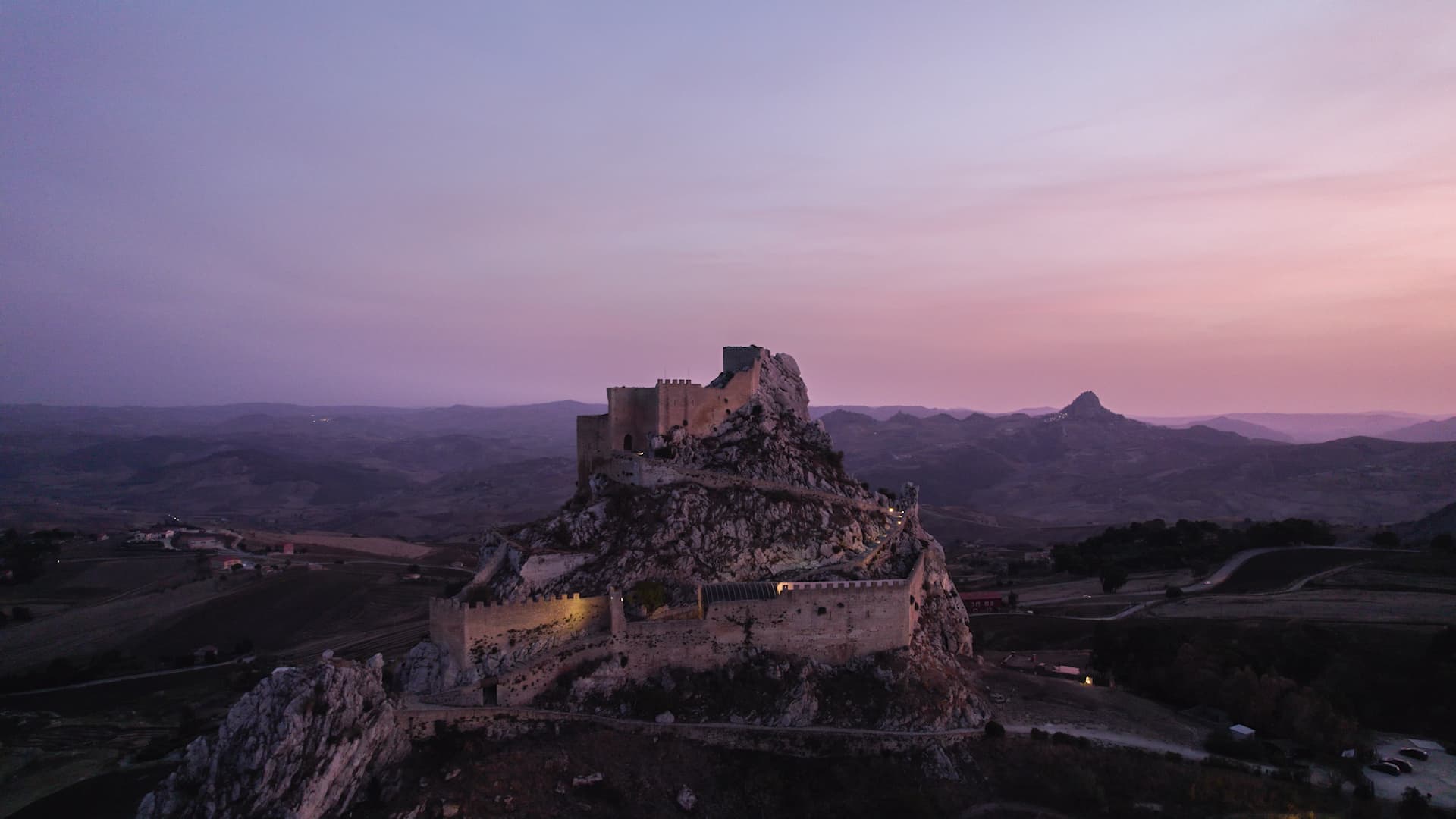
Castello Manfredonico above Mussomeli, province of Caltanissetta, Sicily, at dusk.
Read this first - nothing here is a promise. Visa rules, tax rules and consulate practice change, and each consulate applies the same rules a little differently. The figures on this page are the ones consulates and official guidance were using when this draft was checked on November 23, 2026. They are a starting point for a conversation, not legal or tax advice, and not a guarantee that any application will succeed. Confirm your own position with the Italian consulate that covers where you live, with the Comune di Mussomeli, or with a qualified adviser before you act.
Five paths, at a glance
Yes - there are five, not four. The digital nomad path is the one most checklists miss, and it is the only long-stay path built for people who are still working. It has its own section on page 5.
About EUR 31,000 a year in passive income, in consulate practice
1-year permit, renewable
3. The 7% Pensioner
Foreign pensioners settling in a small southern town
It is a tax election, not a visa - pair it with Path 2 or 4
Foreign pension; town of 20,000 or fewer; not Italian tax resident in the prior 5 years
Up to 10 tax years at 7% on foreign-source income
4. The EU Citizen / The Return
EU, EEA and Swiss passport holders, including returning Italians
Yes
Work, study, or self-sufficiency plus health cover after 3 months
No time limit; permanent residence after 5 years
5. The Digital Nomad
Highly qualified remote workers and freelancers for non-Italian employers or clients
Yes - remotely, for outside Italy only
About EUR 28,000 a year; degree or 5 years' experience; 6 months in the field
1-year permit, renewable annually
Thresholds are summarised. The detail, the catches, and the order of steps for each path follow. Where a figure comes from consulate practice rather than from the law itself, the page says so.
Path 1 - The Visitor: come and look, honestly
For a first season in Mussomeli
If you hold a passport from a visa-free country - Canada, the United States, the United Kingdom and Australia are among them - you can spend up to 90 days in any rolling 180-day period in Italy with no visa at all. That allowance is shared across the whole Schengen Area: days in France or Spain count against the same 90.
What it is good for: living in the town through a season, meeting the people you would rely on, and house-hunting at a human pace - which is how a sound purchase in Mussomeli usually starts.
What it is not: it is not residence. You cannot work, you cannot register at the town hall as a resident, and the days cannot be extended or reset with a weekend outside Schengen.
Watch the count: arrival and departure days both count. Overstaying can mean removal and a bar on re-entry.
Many people who now live in Mussomeli started exactly here. Treat the visitor path as research, and use it to decide whether one of the longer paths below is worth the paperwork.
Path 2 - The Elective Resident: live here on income you do not work for
The retiree visa - Visto per Residenza Elettiva
This is the path behind the 12-step checklist circulating in expat groups. The sequence in that checklist is broadly right. What it leaves out are the numbers, and the single rule that decides most applications.
The no-work rule is absolute. Holders of an elective residence visa may not work in Italy at all - not locally, and not remotely for an employer back home. If you still need to work, look at Path 5 instead.
The income must be passive, stable and provable: pensions, annuities, rent from property you own, dividends and similar sources - not salary, freelance fees or business income you actively manage.
The figure: the law asks for ample, stable resources without naming a sum. In practice, consulates work from about EUR 31,000 a year for a single applicant, with more for a spouse and for each child - and each consulate publishes its own checklist and applies it its own way. More than the minimum is safer than exactly the minimum.
A home in Italy is required before you apply: a deed for a property you own, or a lease signed and registered with the Italian tax office. An unregistered rental promise is not enough.
Health cover: consulates commonly ask for private insurance valid in Italy, often with at least EUR 30,000 of cover including repatriation.
The sequence, in order
Find the Italian consulate that covers where you legally live, and read its own elective residence page - book the appointment early, because slots can be months out.
Get a codice fiscale, your Italian tax code. You need it for a lease or a purchase.
Secure the home: buy, or sign a lease in your name and register it.
Assemble the file: passive-income evidence over at least the past year, health insurance, passport, and your consulate's full checklist.
Attend the consulate appointment in your home country. You cannot apply for this visa from inside Italy.
After you arrive, file for your permesso di soggiorno (residence permit) within eight working days - see the landing sequence on page 6.
Register your residence at the Comune di Mussomeli (the anagrafe), then arrange health cover for the long term.
The first permit normally runs for one year and is renewable while you still meet the conditions. After five years on a qualifying permit, the EU long-term residence permit becomes available.
Path 3 - The 7% Pensioner: a tax election, not a visa
The path this site already carries - in full
The 7% regime does not get you into Italy. It is an optional tax election you make after you are legally resident, so it sits on top of Path 2 or Path 4. Get the residence route right first; the tax follows it, never the other way round.
You must receive a pension from outside Italy - a foreign state or private pension, or a similar allowance.
You must not have been Italian tax resident in any of the five tax years before the year you elect, and you must be moving from a country that has an administrative cooperation agreement with Italy.
Your registered residence must be in a qualifying municipality: in Sicily or one of the other southern regions (Sardinia, Calabria, Campania, Basilicata, Puglia, Molise, Abruzzo), with a population of 20,000 or fewer. Mussomeli, at about 9,800 residents, qualifies comfortably.
What you get: a substitute tax of 7% on your foreign-source income - the pension, and also foreign dividends, interest, rent and gains - for the year you move and the following nine, ten tax years in all. The election also removes the usual reporting duties and wealth taxes (IVIE and IVAFE) on assets held abroad.
What it does not cover: Italian-source income is taxed under the ordinary Italian rules, and no credit is given for tax already paid abroad on the income inside the election.
The election is made in your Italian tax return for the year you transfer residence. Timing matters - arriving, registering and electing in the wrong order can cost a year of the ten - which is exactly the kind of point to take to a commercialista before you move, not after.
Path 4 - The EU Citizen / The Return: no visa at all
For EU, EEA and Swiss passport holders
If you hold an EU passport - including an Italian one regained or held by descent - this is the simplest path on the page. You need no visa and no residence permit to live and work in Italy.
First three months: a valid passport or identity card is all you need.
Staying longer: register your residence at the anagrafe of the Comune di Mussomeli, showing the basis of your stay - employed or self-employed work, study, or self-sufficiency with sufficient resources and health cover.
After five years of continuous legal residence, you can have your permanent right of residence certified.
Non-EU family members follow a different track and may need an entry visa and then a residence card - take advice on their position separately.
If you are electing the 7% regime on this path, the five-year non-residence rule and the tax-residence timing still apply in full. A passport simplifies immigration; it does not simplify tax.
Path 5 - The Digital Nomad: yes, this path exists - and it was easy to miss
The missed path - remote work, legally
Italy created a dedicated visa for digital nomads and remote workers in April 2024, under an interministerial decree of February 29, 2024. Most retirement checklists never mention it, because it is not a retirement route at all: it is for highly qualified people who will keep working remotely from Italy, for an employer or clients outside Italy.
Two streams, one permit: digital nomads are self-employed; remote workers are employees or collaborators. Both receive a residence permit marked "digital nomad - remote worker."
Income: lawful income of at least three times the level that exempts a person from Italian health-care charges - in practice, about EUR 28,000 a year. Confirm the exact figure your consulate publishes.
Highly qualified means evidenced: a degree, a post-secondary professional qualification of at least three years, or at least five years of documented professional experience - plus at least six months of experience in the work you will do from Italy.
The work must stay foreign: your employer or clients must be outside Italy, and the work is done remotely, with technology. This visa is not a route to an Italian job or Italian clients.
Also required: health insurance valid in Italy for the whole stay, documented accommodation in Italy, and no serious criminal convictions in the past five years. Self-employed applicants also register for an Italian VAT number (partita IVA).
Duration: the permit runs for one year and is renewable annually while you still meet the conditions. Family members can apply to join, with a higher income threshold.
One practical relief: this route sits outside the annual work-permit quotas and does not require a nulla osta (work authorisation) - the step that slows most Italian work visas down.
Nomad or elective resident - do not mix them up. If your income is a salary or freelance fees, the elective residence visa is closed to you, however large the income is. If your income is a pension and investments, the nomad visa is the wrong tool. The distinction is the kind of income, not the amount.
The landing sequence every long-stay path shares
Whichever long-stay path you take, the first weeks in Italy run in the same order. EU citizens skip step 2; everyone else should have the papers for all four steps ready before they fly.
Codice fiscale. Your Italian tax code, from the consulate before you leave or from the Agenzia delle Entrate after you arrive. Leases, bank accounts, utilities and contracts all ask for it.
Permesso di soggiorno within eight working days of arrival. For most long-stay visas you file the post-office kit (the yellow kit, at a Sportello Amico counter), then attend a fingerprint appointment at the questura, the provincial police headquarters for Caltanissetta. The card can take months; the post-office receipt is your proof in the meantime. Eight working days goes quickly - do not leave this to week two.
Residenza at the anagrafe. Register your address at the Comune di Mussomeli. Expect a routine visit from the local police to confirm you actually live there. This registration is what the health service, the 7% election and your Italian tax year all key off.
Health cover. Confirm how you will be covered - private insurance, or registration with the Italian health service where your permit allows it and on payment of the applicable annual contribution - and keep the policy or registration current at every renewal.
What the Playbook covers - and what this page adds
The Sicily Buyer's Playbook (Kindle) covers buying: finding a house in Mussomeli, the purchase process, the costs around the price, and settling into the town. It does not cover visas, residence permits or tax elections - buying a house, on its own, gives you no right to live in it year-round. That gap is what this page is for. Read the two together: the book for the house, this page for the right to stay in it.
The local experts bench: this site refers, it does not advise
Paths are general information. Your case - your pension, your passport, your tax history - needs a professional who can be responsible for the advice. The bench below is the set of local roles mussomeli.ca will refer readers to. Names are added only when each expert has agreed to be listed; an unnamed slot is an honest slot, not a gap to fill with a guess.
Role
What they do on your path
Listing status
Commercialista (accountant / tax adviser, Mussomeli or Caltanissetta)
The 7% election and its timing, Italian tax residence, annual returns, partita IVA for nomads
To be confirmed
Immigration practitioner (avvocato or licensed consultant)
Elective residence and digital nomad applications, permesso renewals, family members' position
To be confirmed
Geometra (surveyor / technical professional)
The house side: cadastral records, conformity, renovation permits and the technical file a purchase needs
To be confirmed
Notaio (notary)
The purchase deed itself - in Italy the notary is a public official who acts for the transaction, not for one side
Named at purchase, by the transaction
Local agency contact, Mussomeli
Houses, registered leases that meet the visa standard, and the practical knowledge of which street is which
To be confirmed
Check before you act
Read your own consulate's checklist for the visa you are applying for. It, not any website, decides your file.
Re-check the 7% conditions in the year you plan to move, including the population of your chosen municipality and your last five years of tax residence.
Count Schengen days before every visitor trip, and keep your own record - the border now records entries and exits electronically.
Take the order of steps seriously: visa before travel, permesso within eight working days, anagrafe after that. Fixing a step taken out of order costs weeks.
Sources checked for this draft (November 23, 2026)
The house was the headline. These are the numbers that decide whether the life works — each one checked, each one shown both ways. Every percentage is flipped, too: 11% off a Surrey grocery bill is the same trolley as Surrey paying 13% more — and brains hear those two facts differently.
+61% / −38%
More sunshine
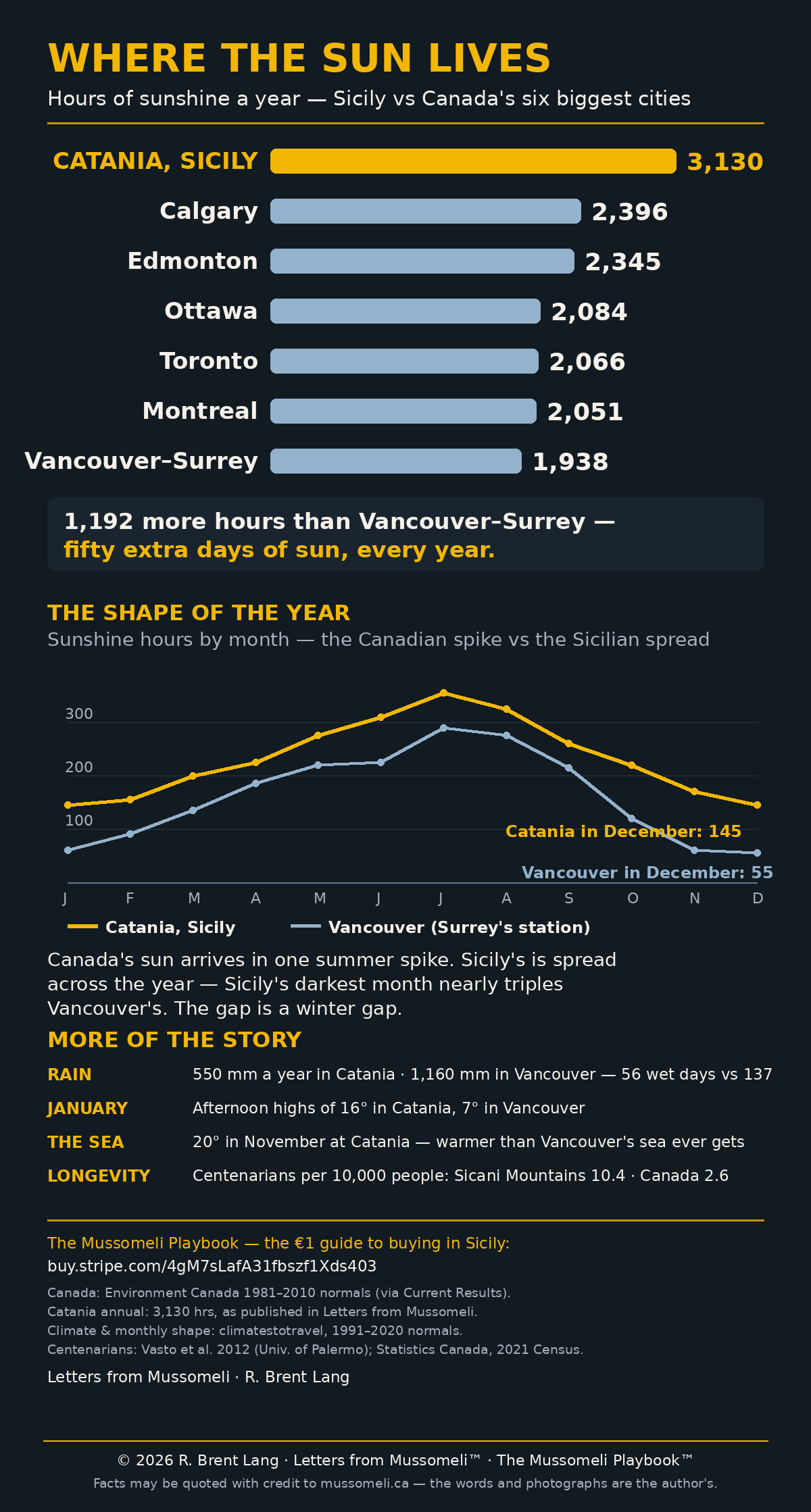
Catania averages 1,192 more hours of sun a year than Vancouver–Surrey — fifty extra days of sunshine, every year.
Catania3,130 hrs / yr
Vancouver–Surrey1,938 hrs / yr
Flip itSame sky, other direction: Vancouver–Surrey gets 38% less sunshine a year than Catania.
−11% / +13%
Off the grocery bill
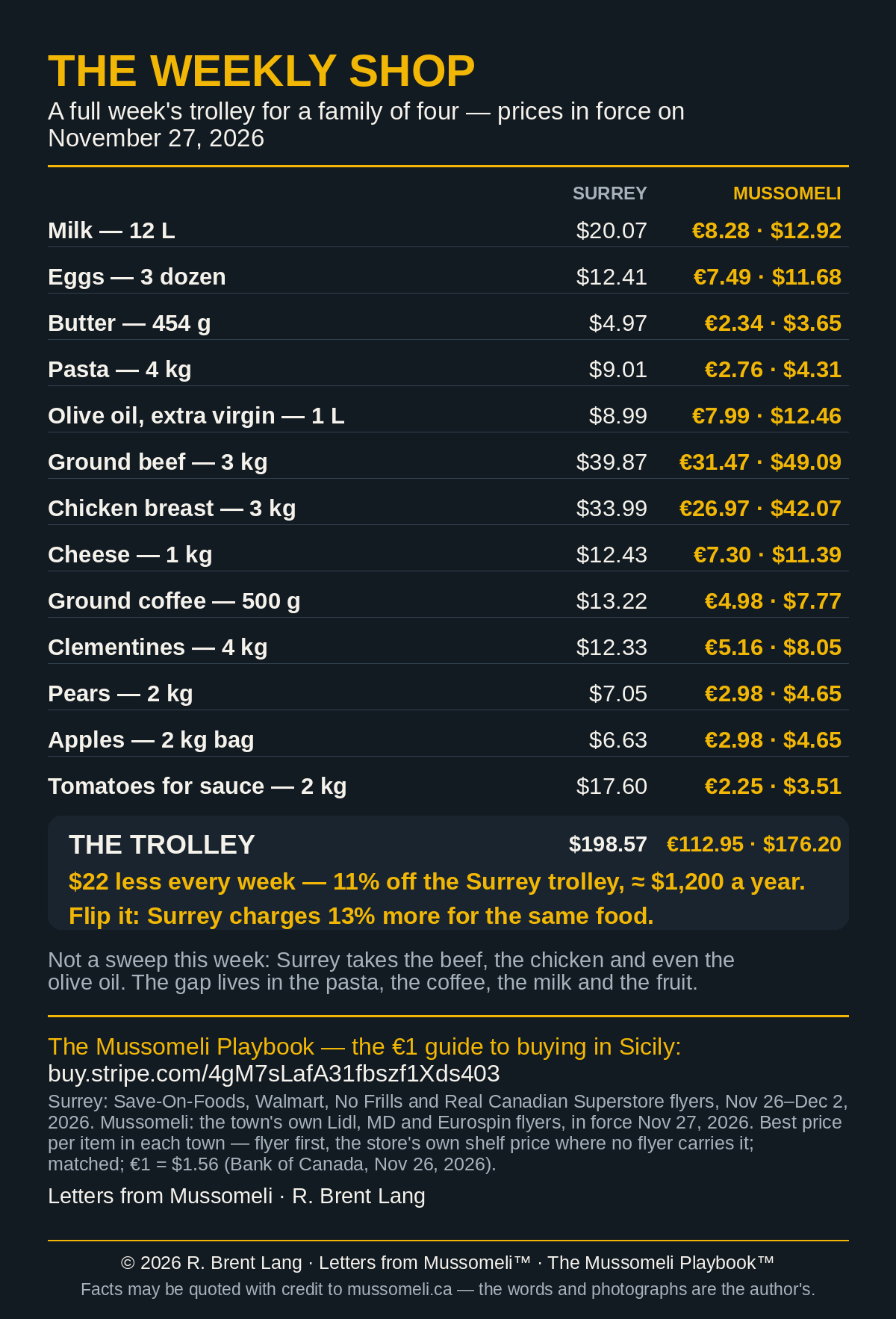
A family-of-four weekly trolley runs $22 less in Mussomeli — about $1,200 a year. Prices in force on November 27, 2026.
Surrey$198.57 / week
Mussomeli€112.95 ≈ $176.20
Flip itSame trolley, other direction: Surrey pays 13% more than Mussomeli for the identical week of groceries.
−28% / +38%
Under the good-deal line
A typical year to Catania runs $1,294–$1,690 return. April 2027 is bookable at $935 — 28% under the line a fare has to beat to count as a good deal.
Typical year$1,294–$1,690
April 2027$935 return
Flip itSame fare, other direction: the $1,294 good-deal line sits 38% above today's $935 April fare.
The One-Pagers
Standalone sheets, free to keep
The evidence behind the Letters, set out one sheet at a time — the weekly shop, the sunshine, and what a good time costs. Each sheet stands on its own: read it here, tap it to see it full-size, or download it and pass it on.
The Weekly Shop
Groceries, Surrey vs Mussomeli — a full week’s trolley for a family of four, prices in force on November 27, 2026. $198.57 in Surrey; €112.95 (≈ $176.20) in Mussomeli — 11% off, or flipped: Surrey charges 13% more for the same food.
The weekly shop, priced basket for basket: the cost of living in Sicily vs Canada. Groceries in Mussomeli run 11% less than in Surrey, BC — flip it, and Surrey charges 13% more for the same food.
Days of Sunlight
Where the sun lives — hours of sunshine a year, Sicily against Canada’s six biggest cities. Catania: 3,130 hours; Vancouver–Surrey: 1,938 — 1,192 more hours, fifty extra days of sun, every year.
Sicily vs Canada for sunshine: Catania records 3,130 hours of sun a year against Vancouver–Surrey's 1,938. The light is the first reason people start reading about retiring in Italy.
The Cost of a Good Time
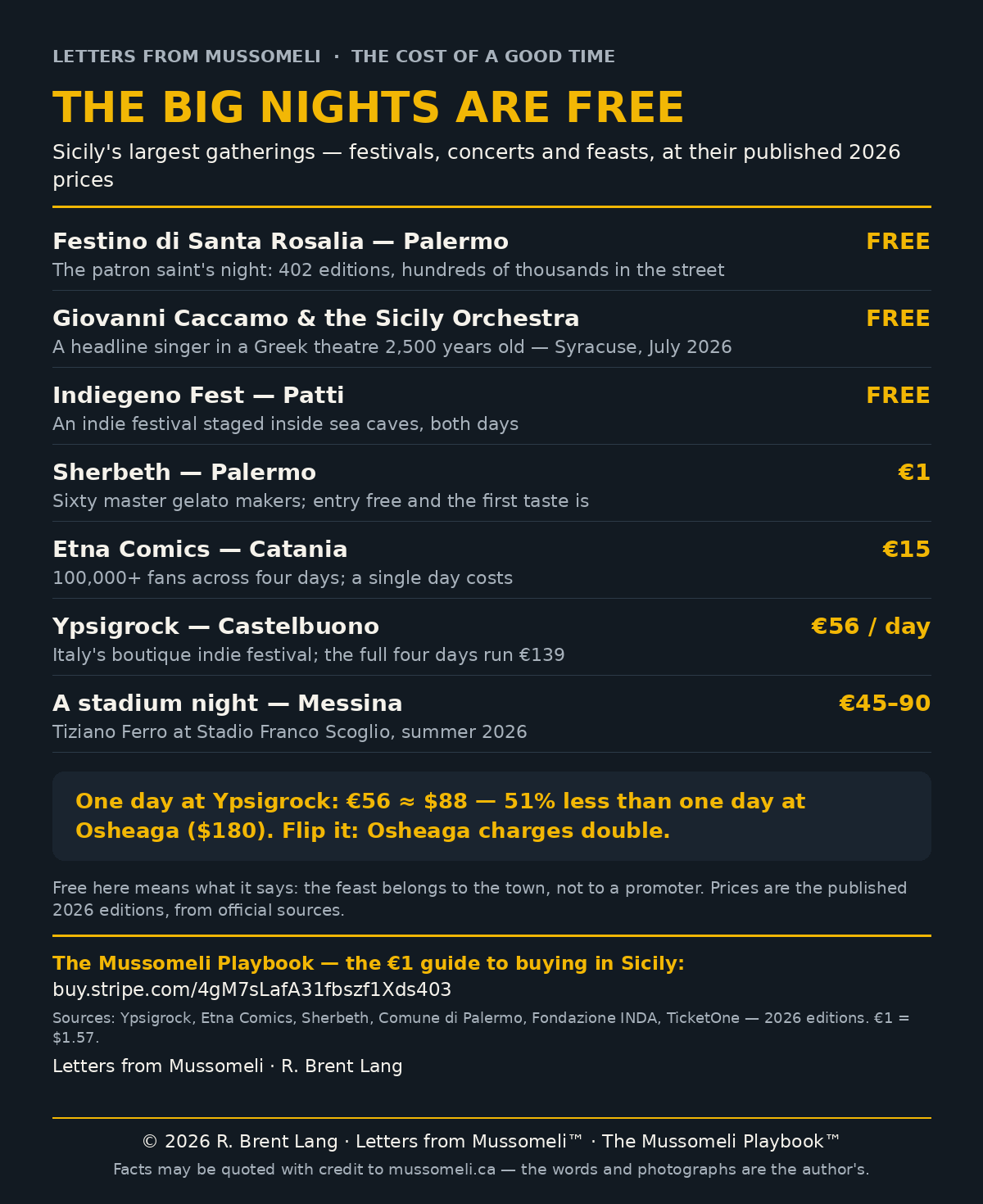
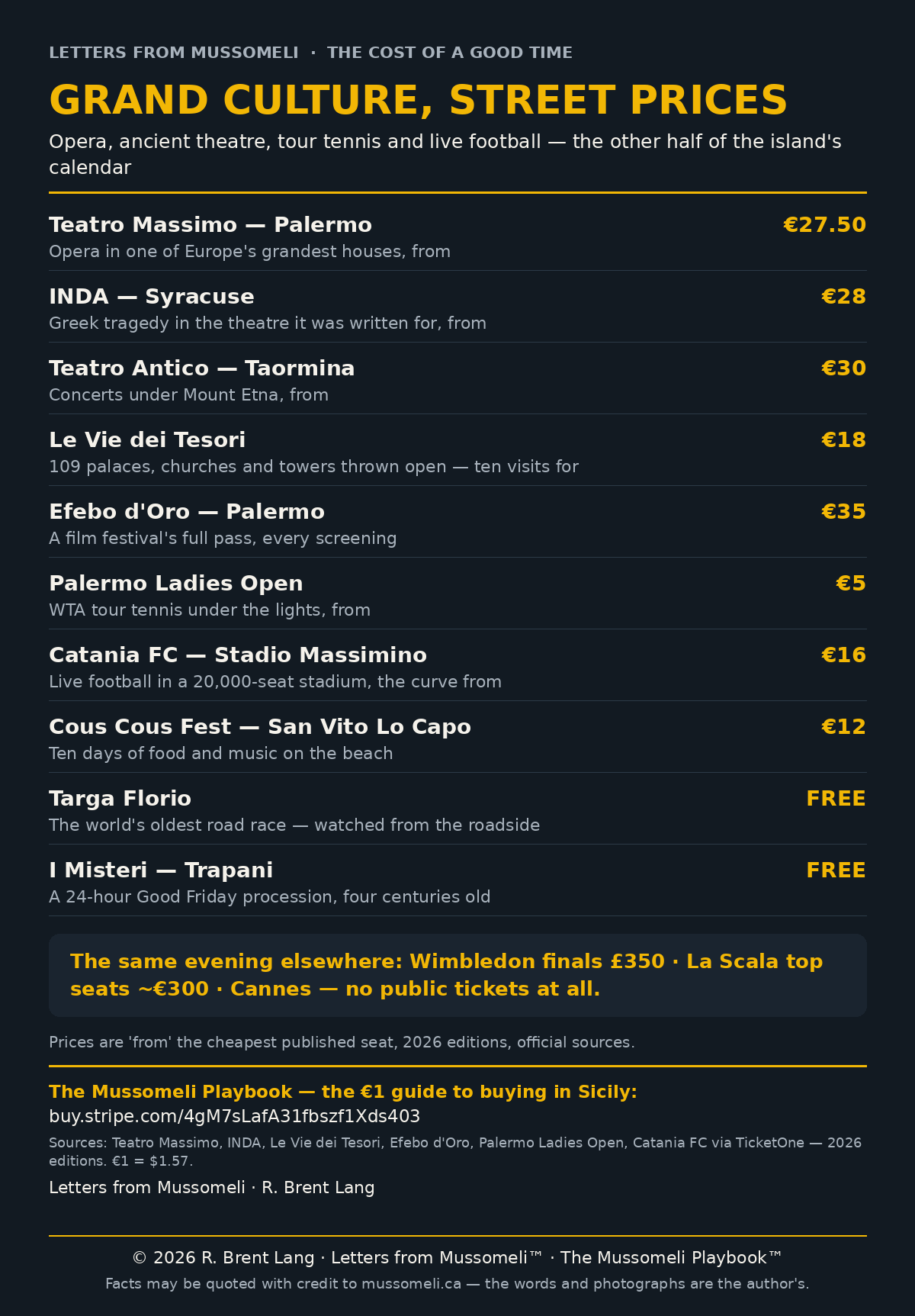
Sports, festivals and entertainment — a two-page sheet. Page 1 is the big gatherings: Sicily’s largest nights, from the Festino di Santa Rosalia to Giovanni Caccamo & the Sicily Orchestra in Syracuse’s Greek theatre, are free. Page 2 is the grand culture at street prices — opera at the Teatro Massimo from €27.50, Greek tragedy at Syracuse from €28, the Targa Florio free from the roadside — against Wimbledon finals at £350 and La Scala top seats around €300.
Festivals and culture in Sicily, priced honestly: the big nights are free — the Festino di Santa Rosalia, festa nights in Mussomeli under the luminarie — and grand opera at the Teatro Massimo starts at street prices.
The 7% Door
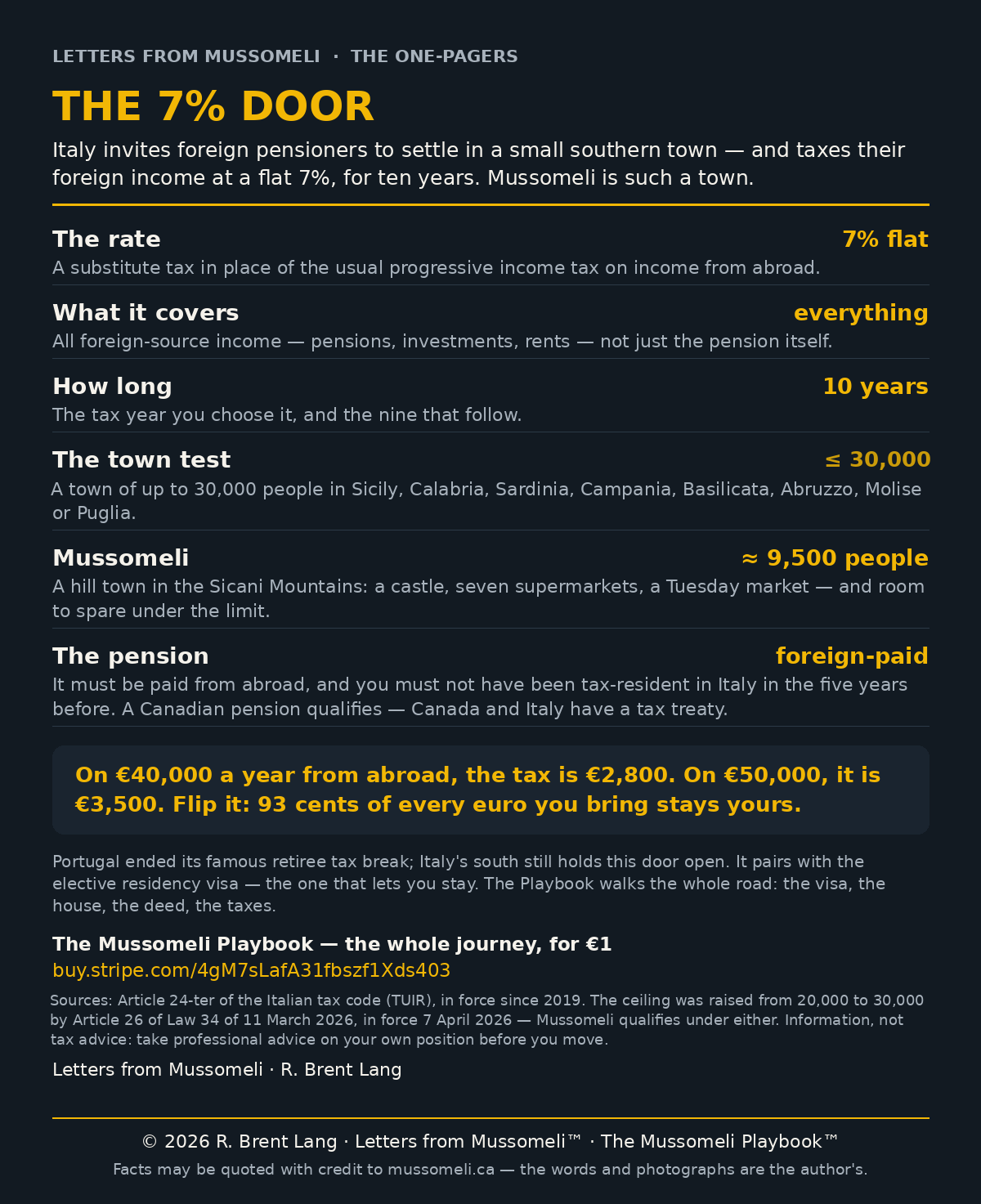
Retiring in Italy — the flat tax that holds a door open. Italy taxes foreign pensioners who settle in small southern towns at a flat 7% on their foreign income for ten years, and Mussomeli qualifies.
Retiring in Italy on the 7% flat tax: Italy taxes foreign pensioners who settle in small southern towns at a flat 7% on their foreign income for ten years. Mussomeli, at about 9,500 people, qualifies — this is the retiree's door, and it pairs with the elective residency visa.
Bring Your Work With You
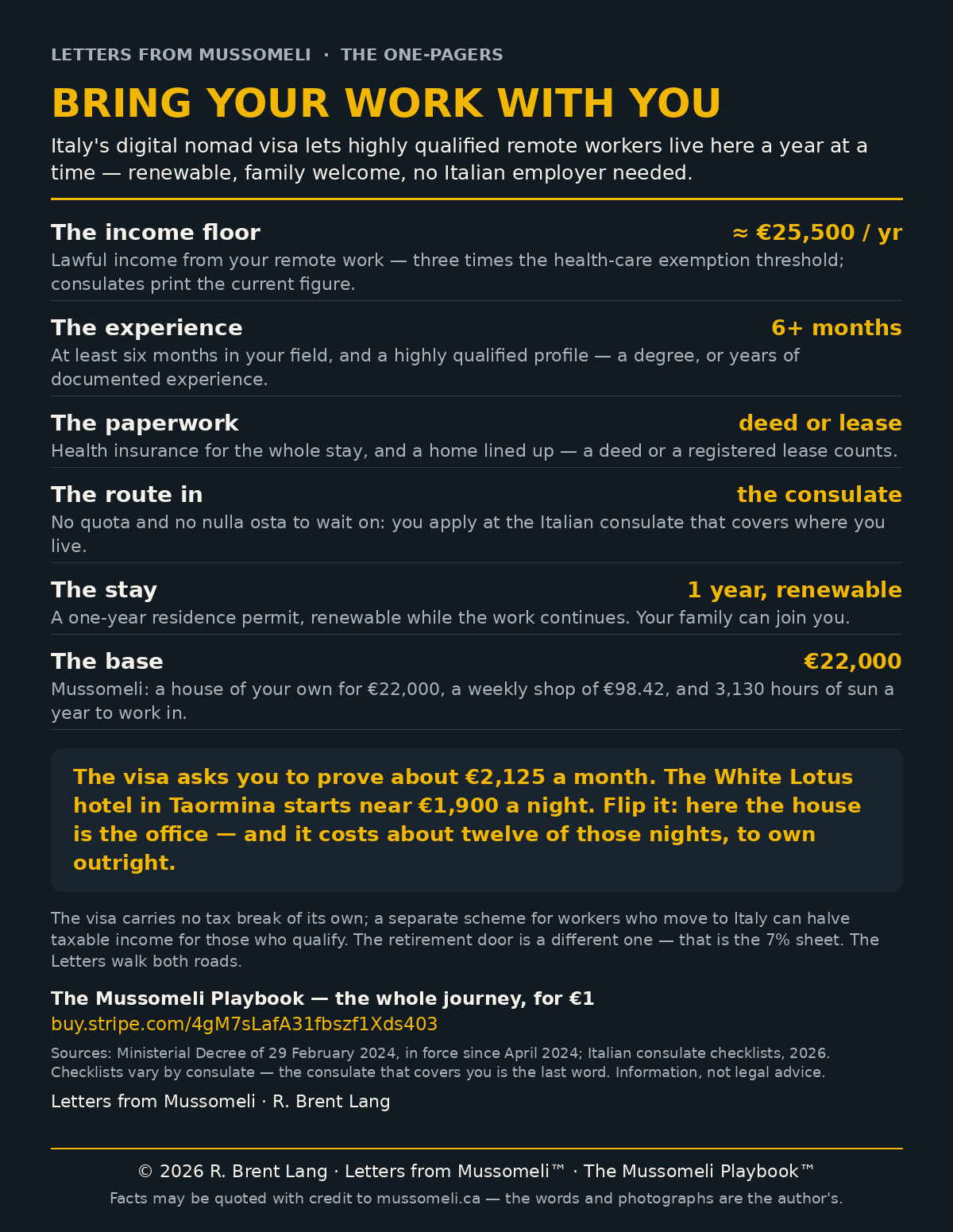
Italy's digital nomad visa — the door for the ones who work from wherever they live. The income floor, the paperwork, and why a small Sicilian town beats the famous coast.
Italy's digital nomad visa, explained from a €22,000 house in Sicily: the income floor of about €25,500 a year, the paperwork, and why remote workers are choosing small Sicilian towns over the White Lotus coast.
The Map
Sicily from Mussomeli — the Top 29
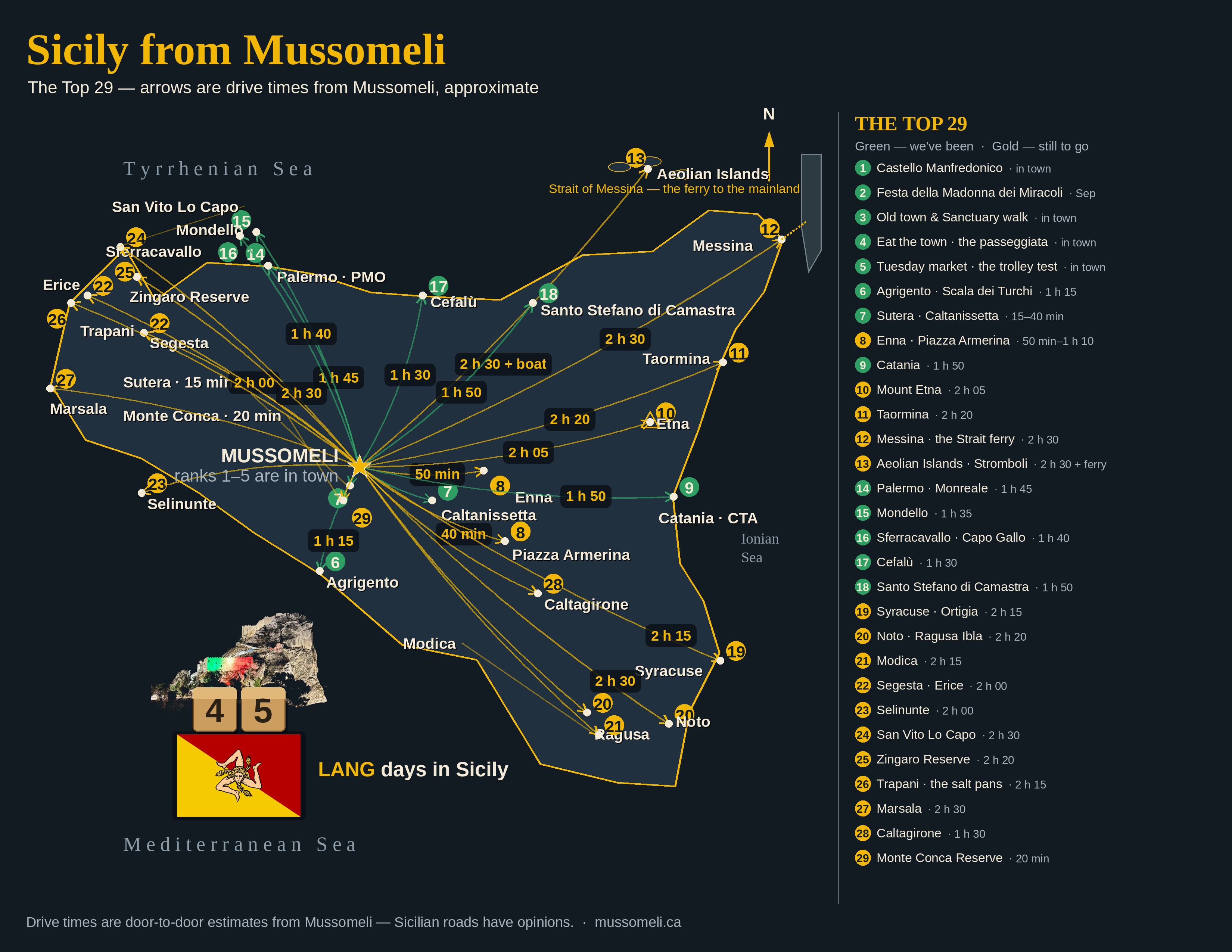
The island from the house: the Top 29, with arrows for the drive times from Mussomeli. Green is where the Langs have been; gold is still to go. In the corner, the counter that keeps the tally — 45 LANG days in Sicily — three trips of 15 days, flight days included: September 2025, May 2026 and September 2026 — the Castello Manfredonico on the blocks and the Sicilian flag for a stand. Tap the map to see it full-size, or download it and pass it on.
Mussomeli.ca is a field guide to the €1 houses of Italy — the case a 1 euro towns — and to the honest way through them: buying a house in Sicily on the open market, in a town of fewer than 10,000 people, where Canadians are allowed to buy. It follows one house in Mussomeli, bought for €22,000, and measures everything against home: the cost of living in Sicily against Canada, the sunshine, the festivals, the flights. For those who would stay, it walks both doors in: retiring in Italy on the elective residency visa and the 7% flat tax for foreign pensioners, and the digital nomad visa for the ones who bring their work with them. Television showed the White Lotus Sicily — a hotel room in Taormina from about €1,900 a night. This is the other Sicily: slow living, la dolce vita at street prices, the evening passeggiata, and a town that lets you belong.